
Fafrees Mountain Electric Bike
A practical electric bike with 250W motor and range up to 100 miles, best matched to your terrain and how far you ride.
Electric bikes cost more than ordinary bikes, so it is fair to ask whether they are worth it. This guide gives an honest take on the benefits, the running costs and who gains most.
An e-bike is worth it if it replaces car trips, makes commuting realistic, or gets you riding when hills or distance otherwise put you off - the running costs are tiny and the practical benefits large. It is less worth it if you already cycle happily on a normal bike for fitness and have no hill, distance or sweat barrier to overcome.
E-bikes flatten hills and headwinds, extend your range, and let you arrive without being sweaty, which makes cycling practical for commuting, errands and longer leisure rides. They can replace car journeys, saving fuel, parking and stress, and they get people riding who would not on a normal bike. For many, that practicality easily justifies the cost.
E-bikes are heavier, pricier and need charging and a little more maintenance than ordinary bikes. If you already enjoy cycling for fitness and have no barrier of hills, distance or sweat, the motor adds cost and weight you may not need. They are also a theft target, so secure storage and a good lock matter.
Running costs are very low: charging a battery costs only pennies, far less than fuel or public transport for the same trips. Maintenance is similar to a normal bike plus battery care, and batteries last for years before needing replacement. Over time, an e-bike that replaces car or transport trips can pay for much of itself in saved travel costs.
E-bikes suit commuters, people in hilly areas, those returning to cycling, riders covering longer distances, and anyone replacing short car trips. They make cycling accessible across ages and fitness levels. If you are a keen cyclist who rides for exercise on flat routes and has no practical barrier, a regular bike may serve you just as well.
A practical electric bike with 250W motor and range up to 100 miles, best matched to your terrain and how far you ride.
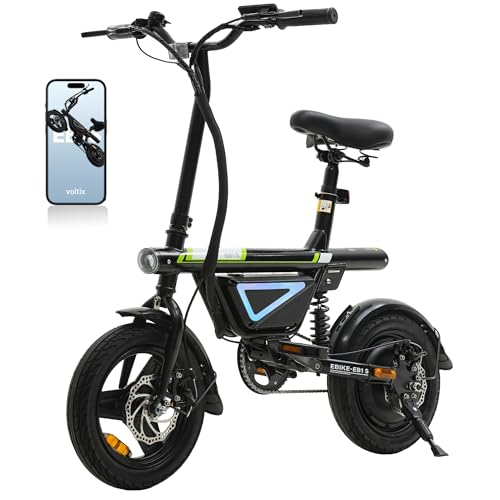
A practical electric bike with 250W motor and range up to 50 km, best matched to your terrain and how far you ride.

A practical electric bike with 250W motor and range up to 100 km, best matched to your terrain and how far you ride.

A practical electric bike with range up to 65 km, best matched to your terrain and how far you ride.

A practical electric bike with 250W motor and range up to 150 km, best matched to your terrain and how far you ride.

A practical electric bike with 250W motor and range up to 70 km, best matched to your terrain and how far you ride.
If they replace car trips, make commuting realistic, or get you riding despite hills or distance, yes - running costs are tiny and the practical benefits large. They are less worth it if you already cycle happily on a normal bike.
No - charging costs only pennies, far less than fuel or public transport for the same trips. Maintenance is similar to a normal bike plus battery care, and an e-bike that replaces car trips can pay for much of itself over time.
Commuters, people in hilly areas, those returning to cycling, longer-distance riders, and anyone replacing short car trips. They make cycling accessible across ages and fitness levels, flattening hills and headwinds.
Our top pick is the Fafrees Mountain Electric Bike (our score 9.6/10) - A practical electric bike with 250W motor and range up to 100 miles, best matched to your terrain and how far you ride..