Twofish TF-1 vs Twofish IP54
We compare the Twofish TF-1 and the Twofish IP54 across every dimension that matters - our scores, the key specs, and how each performs on the things you will actually notice day to day.
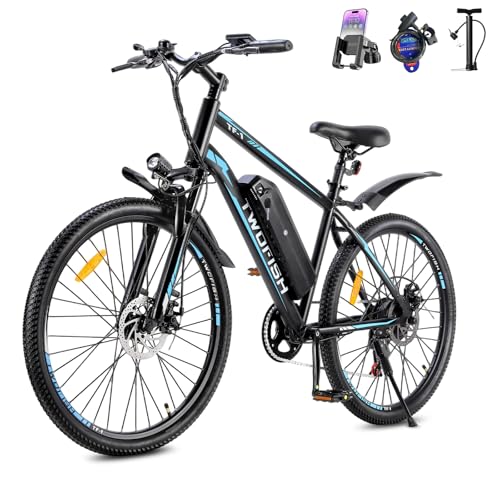
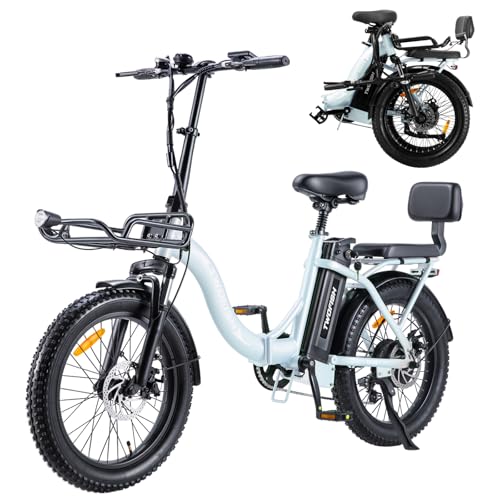
At a glance
| Twofish TF-1 | Twofish IP54 | |
|---|---|---|
| Our score | 8.1/10 | 8.9/10 |
| Best for | Everyday riding and commuting | Commuters and flat-dwellers who need to fold and store the bike |
| Not ideal for | Riders wanting a premium-brand bike or shop servicing | Riders wanting a premium-brand bike or shop servicing |
| Brand | TWOFISH | TWOFISH |
Motor and Power
Twofish TF-1
Motor power plays a major role in how the Twofish TF-1 pulls on climbs and how quickly it can reach its assisted top speed. It uses the same 250W, 36V, 15Ah system referenced in the key specifications. The motor is rated at 250W and can deliver up to 45Nm torque, supporting steady starts and climbing. Assistance can reach speeds up to 25km/h, with help cutting off at that limit, making it UK EAPC compliant as specified. Riders can select Human, Assisted, or Pure Electric mode, and the selected mode changes the level of motor support when pedalling.
Twofish IP54
Powered by a 250W brushless motor, the Twofish IP54 is designed to reach a maximum speed of 25 km/h, matching the UK's 250W EAPC limit for road-legal pedal assist. In a Twofish IP54 review, the motor is described as delivering stable acceleration and assisting hill climbing, with a stated 45° climb angle. The system offers pedal-assist and pure electric modes, alongside pure pedal mode, and it uses a 7-speed shifter to spread effort across speeds. For riders wanting predictable power control in a Twofish electric bike review, this setup suits everyday commuting, though steep climbs may still vary by rider load.
Battery and Range
Twofish TF-1
With a 36V 15Ah lithium battery, the Twofish TF-1 is designed to deliver consistent electric support over longer trips, although real-world range will vary depending on terrain and how much the ride relies on throttle use versus pedalling. The manufacturer states 5 to 6 hours to charge. It claims 50 to 60 km on a full charge in pure electric mode, and up to 100 km with pedal assist, as set out in the Twofish TF-1 2026 description. Riders using higher power settings, riding hills, or starting frequently can expect less distance, whereas calmer routes and more pedalling help preserve range.
Twofish IP54
A removable 36V 17.8Ah battery powers the Twofish IP54, designed for easy removal and charging. In Twofish IP54 2026 reviews, the battery is paired with the bike's 250W 25 km/h limit, making it suitable for everyday commutes rather than long racing use. The manufacturer states the Twofish IP54 battery and range can reach up to 80 km in pure battery mode, and up to 100 km with pedal-assist. Range will drop when riding in pure electric mode, carrying a heavier load, or using frequent starts and stops (not stated).
Ride, Gears and Hills
Twofish TF-1
Steering through daily routes, the Twofish TF-1 uses its 7-speed gear system to help match effort to hills and changing terrain, reducing strain on climbs and helping prevent spinning out on flats. Shifting is handled smoothly across city streets and countryside trails, though tight cadence control still depends on rider choice. The 26-inch wheels and a front suspension fork with 40 mm travel help maintain traction over rough patches, which can matter on incline approaches. As a best electric mountain bike for mixed riding, it pairs these gears with up to 45Nm torque for steadier climbs.
Twofish IP54
With the Twofish IP54, the ride is shaped by its three riding modes, 7-speed gearing, and a 250W motor capped for road-legal use, allowing the bike to match different effort levels on varied routes. In a Twofish IP54 review context, the motor is listed with a 45° climb angle. In pure electric mode, power comes on quickly, while pedal-assist blends effort to reduce strain on steady climbs. Riders can step through the 7-speed shifter to keep cadence, and the 20-inch wheels help the bike stay responsive over uneven surfaces. On steep, sustained grades, lower gears are needed consistently to maintain momentum.
Brakes and Safety
Twofish TF-1
Stopping control on the Twofish TF-1 comes from disc brakes, which are designed to give more reliable bite than basic rim braking when roads get wet or uneven. The bike also uses a lighting system with a bright front headlight, rear reflectors, and wheel reflectors to improve visibility during low light. Braking triggers cruise control to disengage automatically. In use, the rider should test the brake feel in a safe area first, then allow extra distance in rain because stopping distance can vary. For UK buyers, road-legal e-bike status depends on EAPC compliance, and the TF-1 stays within the 250 W limit.
Twofish IP54
Braking confidence on everyday routes comes down to predictable stopping power, and the Twofish IP54 uses a disc brake system for controlled slowdown when quick braking is needed. The bike is paired with full suspension, with the suspension fork and spring seat cushion helping keep the wheels in contact over bumps. Grip during braking on mixed surfaces is supported by the wider 20 x 3.0-inch tyres, which can help when roads are damp. For shoppers searching "twofish ip54 best price uk", brake feel should be considered alongside other safety priorities.
Build and Frame
Twofish TF-1
The frame sets the tone for how the Twofish TF-1 feels on the road and on rough tracks. In the Twofish TF-1 UK, the bike uses a durable high-carbon steel frame, built to handle riders up to 120 kg. The frame measures 172.8 x 62 x 115 cm, while the total bike weight is 28 kg, which keeps it sturdy yet manageable. It rolls on 26-inch wheels and a front suspension fork with 40 mm travel, helping to smooth vibrations. The geometry supports both commuting and light trail use, though it is not a lightweight road frame.
Twofish IP54
The Twofish IP54 is built as a foldable high-carbon steel electric bike, and that choice shapes both how it rides and how it fits into everyday storage. For buyers comparing Twofish IP54 Amazon listings and folding electric bike options, the frame is made from high-carbon steel, folds to 100 x 50 x 78 cm, and weighs 28 kg. When unfolded, it measures 168 x 60 x 123 cm and supports a maximum load of 100 kg. A full suspension setup includes a suspension fork and a spring seat, helping smooth rough roads, though the added structure increases carry weight.
Folding and Portability
Twofish TF-1
Folding and portability matter on the Twofish TF-1, particularly if it needs moving between home, a car, or storage. The model weighs 28 kg on a high-carbon steel frame, and its 172.8 x 62 x 115 cm size can be awkward in tight spaces. With frequent moves, lifting is easier with two people. No folding system is specified, so it is not a compact folding option. For UK buyers, checking the Twofish TF-1 on Amazon UK, plus keeping the original packaging for potential returns, helps confirm how it fits and travels.
Twofish IP54
Folding and portability matter for the Twofish IP54 because the bike is designed to be relocated and stored without needing a dedicated garage space. It folds from 168x60x123 cm into 100x50x78 cm, and the total weight is 28 kg. Once folded, it can fit in a car boot or campervan, supporting quick transport between home and commuting routes. At 28 kg as a two-wheeled vehicle, carrying it may be more difficult for some users. Battery removal also helps, since the 36V 17.8Ah pack is removable for charging, which supports charging practicality when the Twofish electric bike is not close to an outlet.
Who Is This Electric Bike For?
Twofish TF-1
Twofish TF-1 suits riders who want a straightforward, road-legal pedal-assist e-bike for everyday journeys, particularly commuting and longer daytime rides. It targets people looking for practical range and simple control, with a 250W motor and up to 25km/h assist, plus 7-speed gearing for hills and mixed routes. The 26-inch wheels, 40mm front suspension and disc brakes add stability and stopping power on rougher surfaces, making it a reliable choice for varied terrain. Riders who need very long pure-electric distances may find it less suited.
Twofish IP54
For whom is the Twofish IP54 the best fit, and who might find it less convenient? This foldable electric bike suits many adults wanting a budget option for city commuting, with mixed-surface riding and a target journey of roughly 25 km at up to 25 km/h. It uses full suspension and disc brakes for control, and it supports charging via a removable 36V 17.8Ah battery off the bike. At 28 kg, it can be manageable once folded to 100 x 50 x 78 cm, though it still requires regular lifting strength. With 20-inch wheels, it is suited to riders around 155 - 190 cm tall.
Twofish TF-1: pros
- 250W motor
- Range up to 100 km
- Removable-style 36V 15Ah battery
- Disc brakes
- 7-speed gears
Cons
- Heavier than a non-assisted bike, so lifting and storage need thought
Twofish IP54: pros
- 250W motor
- Range up to 25 km
- Removable-style 36V 17.8Ah battery
- Disc brakes
- Folds for storage and transport
Cons
- Heavier than a non-assisted bike, so lifting and storage need thought
Our verdict
Our pick is the Twofish IP54 (our score 8.9/10) - A practical electric bike with 250W motor and range up to 25 km, best matched to your terrain and how far you ride. The Twofish TF-1 is still worth it if it is cheaper when you check, or if it better matches your specific needs.